

Mastering Forex Day Trading Strategy for Success 1812368094
posted Kas 05 2025
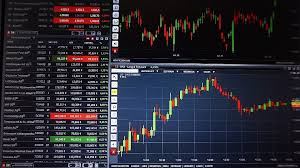
Mastering Forex Day Trading Strategy for Success
Day trading in the Forex market is an exhilarating but challenging endeavor. If executed correctly, it holds the potential for significant profits, but it also comes with risks that can lead to losses if not managed well. This article delves deep into effective Forex day trading strategies, offering insights that can help you navigate the complexities of the market. For those interested in diversifying their trading portfolio, platforms like forex day trading strategy Crypto Trading Asia could offer a valuable addition to your strategy.
Understanding Forex Day Trading
Forex day trading is the practice of buying and selling currency pairs within the same trading day. Traders typically open and close their positions during a single session, aiming to capitalize on small price movements. The primary goal is to secure short-term profits while minimizing exposure to overnight risks.
Key Characteristics of Forex Day Trading
- Time Commitment: Day trading requires constant monitoring of market movements. Traders need to dedicate significant time during market hours to track trades and execute orders.
- Technical Analysis: Successful day traders rely heavily on technical analysis, using charts and indicators to inform their trading decisions.
- Risk Management: Implementing strict risk management techniques is crucial, as significant market moves can occur with little warning.
- High Volatility and Liquidity: The Forex market is known for its high liquidity and volatility, which are essential for day trading as they create opportunities for profit.
Fundamental vs. Technical Analysis
Day traders typically focus on technical analysis rather than fundamental analysis. While fundamental analysis examines economic indicators and news events to predict currency movements, day traders often rely on charts and patterns. Here are some key aspects to consider:

- Charts and Patterns: Learning to read various chart types (candlestick, line, or bar charts) is essential. Patterns such as head and shoulders, flags, and triangles can indicate potential price movements.
- Indicators: Commonly used technical indicators like Moving Averages, Relative Strength Index (RSI), and Bollinger Bands can help traders identify trends and potential entry/exit points.
Developing a Forex Day Trading Strategy
A successful day trading strategy incorporates several components. Below, we outline a simple yet effective day trading strategy that considers market conditions and individual trading style.
1. Selecting Currency Pairs
Choose currency pairs with high volatility and liquidity, such as EUR/USD, GBP/USD, or USD/JPY. These pairs often experience significant price movements during the trading day, making them ideal for day trading.
2. Timing the Market
The Forex market is open 24 hours a day, but not all hours are equally favorable for day trading. The best times to trade are when major financial centers overlap, such as when the London and New York markets are both open. This period typically sees increased trading volume and price volatility.
3. Setting Entry and Exit Points

Before entering a trade, determine your entry and exit points based on analysis. Use limit orders to set predetermined prices for buying or selling, minimizing the need for constant monitoring.
4. Implementing Stop-Loss Orders
Protect yourself from larger-than-expected losses by utilizing stop-loss orders. This tool automatically closes your position at a specified price, helping to manage risk effectively.
Tips for Successful Day Trading
- Stay Informed: Keep an eye on economic releases and geopolitical events that could impact the forex market.
- Practice Discipline: Stick to your trading plan and avoid emotional decision-making.
- Use Demo Accounts: Before going live, practice your strategy on a demo account to gain confidence and refine your approach.
- Continuous Learning: Stay updated with new trading techniques, tools, and strategies to adapt to changing market conditions.
Common Mistakes to Avoid
Even with a solid strategy, day traders can fall into traps that hinder their success. Here are some common mistakes to watch out for:
- Overtrading: Engaging in too many trades can result in unnecessary losses and increased transaction costs.
- Ignoring Risk Management: Neglecting to set stop-loss orders or trading without a plan can be detrimental.
- Chasing the Market: Entering trades based on impulse rather than analysis can lead to poor decision-making.
- Failing to Review Performance: Not reviewing past trades limits the opportunity for learning and improvement.
Conclusion
Forex day trading can be incredibly rewarding for those who are prepared, educated, and disciplined. By understanding market mechanics, developing a sound strategy, and diligently managing risk, traders can enhance their chances of success in this fast-paced environment. Remember, practice makes perfect; take the time to refine your strategy and stay committed to your trading goals. As the market evolves, so should your approach, making continuous education and adjustment essential for long-term success.


Google Maps