

The evolution of gambling A historical perspective on risks and rewards
posted Oca 10 2026
The evolution of gambling A historical perspective on risks and rewards
Ancient Origins of Gambling
The roots of gambling can be traced back to ancient civilizations, where games of chance were often intertwined with religious practices and social rituals. Archaeological findings suggest that even as far back as 3000 BC, people in Mesopotamia were betting on the outcomes of various games and events. Early dice, made from materials like bone and wood, revealed that humans have long had a fascination with risk and reward, which today can even be explored at an online casino.

In ancient China, around 2000 BC, the Chinese started developing rudimentary forms of gambling, including games based on chance and skill. These early practices laid the foundation for more structured gambling systems, leading to the creation of games such as Keno, which is still popular today. The intertwining of gambling with daily life highlights how deeply embedded the activity has been in human culture.
Gambling in the Middle Ages
During the Middle Ages, gambling took on new forms as the social and political landscapes of Europe evolved. The church’s stance against gambling often led to underground gaming houses and clandestine betting activities. Despite the disapproval from religious authorities, games like dice and card games gained immense popularity among various social classes.
This period also saw the introduction of betting on sports, especially in England, where horse racing became a favored pastime for the nobility and commoners alike. The establishment of betting laws and regulations during this era began to formalize gambling, paving the way for future developments in the industry.
The Rise of Modern Gambling
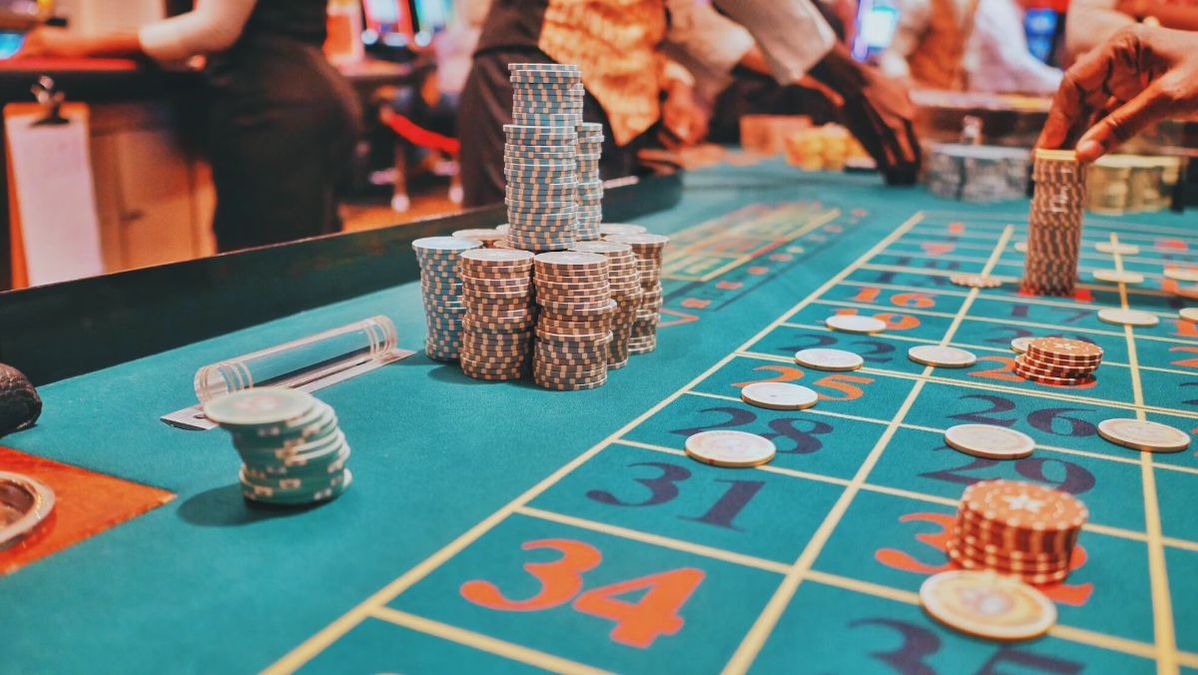
The 17th and 18th centuries marked a significant turning point in gambling history with the emergence of public gaming houses and the formalization of betting practices. The invention of the roulette wheel and the popularity of games like baccarat and poker revolutionized the gambling scene, making it more accessible to the general populace.
This era also witnessed the establishment of the first state-run lotteries, which provided governments with a new revenue stream while offering citizens a chance to win substantial prizes. The relationship between government and gambling evolved, leading to increased regulation and the eventual rise of casinos as we know them today.
Digital Transformation and Online Gambling
The late 20th century and early 21st century heralded a new era of gambling with the advent of the internet. Online casinos emerged, allowing players to engage in their favorite games from the comfort of their homes. This digital transformation has made gambling more accessible than ever, attracting a global audience and facilitating a myriad of betting options.
However, the rise of online gambling also brought concerns regarding regulation, addiction, and the safety of personal information. Governments around the world have begun implementing laws to protect consumers while trying to harness the economic benefits of a burgeoning online gaming industry.
Conclusion and Future of Gambling
The evolution of gambling showcases a fascinating journey from ancient rituals to modern digital platforms. This historical perspective highlights the ongoing interplay of risk and reward that has captivated human interest for millennia. As the industry continues to evolve, it is crucial for stakeholders to adapt to new technologies and societal changes.
At seoexpertbrad.com, our mission is to help businesses navigate their online presence, including those in the gambling industry. By employing expert SEO strategies, we aim to guide you through the complexities of digital marketing and improve your search engine rankings, ultimately helping you achieve your business goals.


Google Maps